Exemptions Protect Your Property
Under the Bankruptcy Code, North Carolina exemption law allows you to protect your assets, including, but not limited to your home, vehicles, IRA, 401(k), retirement account, household goods and personal property.
Exemptions can protect both real or personal property, including a single family home, mobile home, or condominium, as long as the property qualifies under state or federal law. Contact us to discuss your specific situation.
You may wonder if you can keep your home or your vehicle if you file for bankruptcy. The homestead exemption works by protecting the equity in your principal residence, but if your homestead’s equity exceeds the exemption limit, creditors may be able to force a sale. We can provide answers.
At Gillespie & Murphy, P.A., we are experienced in helping clients understand the rules and regulations of North Carolina bankruptcy exemptions and inform them of the assets they are entitled to keep after a bankruptcy.
State bankruptcy exemptions and federal exemptions may offer different exemption amounts and protection limits, and joint owners may each claim a portion of the exemption, subject to the total exemption limit.
When you file for bankruptcy, there are exemptions to protect your home, your car and some other investments. Let us help you protect your assets. Contact us today.
Chapter 7 Bankruptcy
A bankruptcy trustee has the responsibility of selling any unprotected (nonexempt) belongings you have and distributing the proceeds to your creditors if you file for Chapter 7 bankruptcy. Nonexempt equity in your home or other property owned may be subject to sale, and a wildcard exemption can sometimes be used to protect additional assets.
Most of the things that people commonly own are exempt from sale by the trustee. If only one spouse owns the property, or if there are joint owners, the exemption amount and eligibility may differ.
Our attorneys for bankruptcy in Wilmington will help you compile a list of your assets and claim the exemptions necessary to protect those assets from your creditors and the bankruptcy trustee.
When you are facing overwhelming debt, let us help you restore your financial security and take the necessary action to protect your assets.
Our attorneys can provide debt counseling on bankruptcy exemptions and other methods of debt relief. Bankruptcy filers should consult a bankruptcy lawyer to understand how the homestead act, state’s homestead exemption laws, and federal law affect their bankruptcy case and filing for bankruptcy.
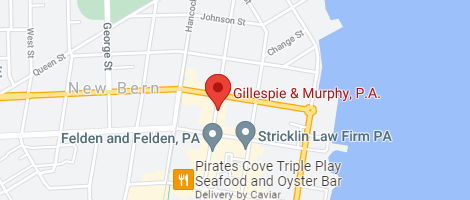
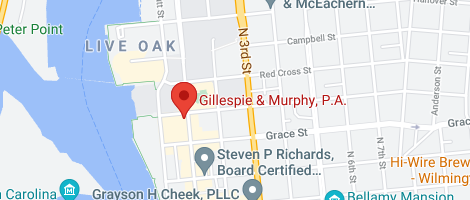
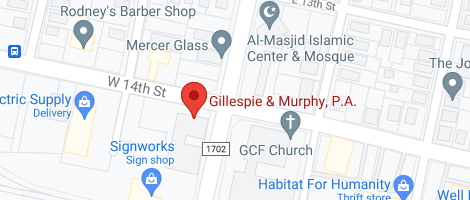
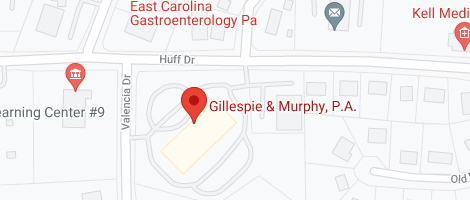
Contact Gillespie & Murphy, P.A., to schedule a free consultation at our New Bern, Wilmington, Greenville or Jacksonville bankruptcy law firm. We are lawyers dedicated to helping clients with bankruptcy exemptions. We have the experience to help you quickly obtain the relief you deserve.
We are a debt relief agency under the United States Code. We help people file for bankruptcy relief under the Bankruptcy Code. Filing bankruptcy can help discharge unsecured debts such as credit card debt and medical bills, but certain obligations like child support are not dischargeable.

The homestead exemption amount and homestead exemption limit are adjusted periodically, sometimes based on the consumer price index, and some states offer an unlimited exemption for the entire homestead. The homestead tax exemption reduces the property’s taxable value, lowering property taxes for homeowners who use the property as their permanent residence.
A payment plan in Chapter 13 bankruptcy can allow you to keep your home by paying off nonexempt equity over time. Retirement plan assets are generally not covered by the homestead exemption, but may be protected under separate exemptions.
The process of homestead exemption applying requires meeting specific criteria, and a bankruptcy lawyer can help ensure all requirements are met.
Homestead Declaration
If you own a home, filing a homestead declaration is one of the smartest legal moves you can make to protect your property. This crucial document lets you formally tell the county that your house is your primary residence, which makes you eligible for the homestead exemption.
When you file this paperwork—usually at your county recorder’s office—you’re establishing your intent to claim protection that can shield your home under both state and federal bankruptcy law.
Getting your homestead declaration filed is pretty straightforward, but you’ll want to make sure you do it right. You’ll need to submit a form that includes your name, address, and a description of your property.
Here’s the key part: you must certify that this property is where you actually live as your primary residence. Don’t skip this step—only your primary residence qualifies for the homestead exemption, and this protection can help slash your property tax bill by lowering your home’s taxable value.
One of the biggest reasons you should file a homestead declaration is the protection it gives you against unsecured creditors. If you’re dealing with financial troubles or thinking about bankruptcy, the homestead exemption can protect some—or in certain states, all—of your home’s equity from being seized to pay creditors.
Exemption Amount an Exemption Limit
For example, federal bankruptcy law lets you exempt up to $31,575 of equity in your primary residence, while some states like Florida and Texas offer unlimited homestead protection if you qualify.
Beyond protecting your home from creditors, the homestead exemption can also give you real relief on your property taxes. Many states offer homestead property tax exemptions that can lower your home’s assessed value and cut your annual property tax bill. This can be a huge help if you’re on a fixed income or going through financial hardship.
You need to know that homestead exemption laws and filing requirements are different in every state—sometimes dramatically different. Some states require you to file the declaration when you buy your home, while others let you file anytime before a bankruptcy or creditor action.
Your best bet is to talk with a local bankruptcy attorney or a knowledgeable real estate agent who can help you meet all the requirements and get maximum protection under your state’s homestead exemption laws.
Here’s something important to remember: while the homestead exemption protects your home’s equity from most unsecured creditors, it won’t shield your property from your mortgage company or other secured debts. You still have to make your mortgage payments to avoid foreclosure—the exemption doesn’t eliminate your obligation to pay secured lenders.
The bottom line is this: filing a homestead declaration is a vital step you should take to secure homestead exemption protection for your primary residence. This legal protection can help keep your home from being forced into sale during bankruptcy, reduce what you owe in property taxes, and give you peace of mind when you’re facing financial uncertainty.
To make sure you’re fully protected and following your state’s homestead exemption laws correctly, it’s smart to consult with a local bankruptcy attorney or real estate agent who knows the specific requirements in your area.