
 CALL US NOW
 EMAIL US NOW

Being sued over a credit card debt can feel overwhelming, especially when collection agencies and creditors count on that feeling to go unchallenged. Many people assume there is nothing they can do once a lawsuit is filed. That assumption can cost them dearly. Understanding how these lawsuits work, what a creditor must prove, and what options may be available can help you make informed decisions about your next steps. This article provides general information only and is not legal advice about your specific situation.
Here is what you need to know before a default judgment gets entered against you.
Why You Should Never Ignore a Credit Card Lawsuit
Ignoring a credit card lawsuit can result in a default judgment, which may allow the creditor to pursue collection against nonexempt property through procedures permitted under North Carolina law.
When a creditor or debt buyer files suit and you fail to respond, the court will typically enter a default judgment in their favor. In North Carolina, once a judgment is entered, creditors may pursue collection against nonexempt property through procedures allowed by law. However, North Carolina generally does not allow creditors to garnish wages for ordinary consumer debts such as credit card debt. Certain property and funds may be protected by statutory exemptions.
The window to respond after being served is narrow. Under Rule 12 of the North Carolina Rules of Civil Procedure, a defendant generally has 30 days to file an answer after being served with a complaint. Missing that deadline can result in a default judgment and may significantly limit your ability to contest the lawsuit or assert certain defenses.
Verify That the Debt Is Actually Yours
Before assuming you owe the debt, confirm the amount is accurate, the account is yours, and the creditor has the legal right to sue.
Debt buyers purchase portfolios of old accounts, sometimes for pennies on the dollar, and the documentation they receive is often incomplete or inaccurate. When a debt buyer files a lawsuit, it generally must be able to prove standing to sue. That means they must show they legally own the debt through a documented chain of assignment from the original creditor.
Courts in North Carolina have dismissed cases where debt buyers could not produce a proper bill of sale or assignment agreement. Standing is often a central issue in cases brought by debt buyers.
You should also verify that the amount claimed in the lawsuit matches your actual account records. Collection accounts frequently include fees, interest, and charges that inflate the original balance well beyond what was legitimately owed.
Understand the Statute of Limitations
North Carolina’s statute of limitations on written contracts is three years, which may bar collection on older credit card debts.
One of the most commonly overlooked defenses in credit card lawsuits is the statute of limitations. Under N.C. Gen. Stat. § 1-52, the statute of limitations for contract claims in North Carolina is generally three years. Credit card agreements are typically treated as written contracts, meaning a creditor may be time-barred from suing if the debt is old enough.
The date on which the statute of limitations begins to run depends on when the claim accrued and the circumstances of the particular account. For many credit card claims, the relevant date may be tied to the creditor’s right to sue after a default, rather than automatically being the date of the last payment. If a creditor sues after the limitations period has expired, the statute of limitations may be raised as an affirmative defense. Courts generally do not apply it automatically, so it can be waived if it is not raised.
Be cautious about making any payment on an old debt before speaking with an attorney. Under North Carolina law, a payment can affect the running of the statute of limitations, so the effect of a payment depends on the circumstances and timing.
Know What the Plaintiff Must Prove
Creditors must produce sufficient evidence to prove their case. Gaps in documentation can affect how a case is resolved.
A lawsuit is only as strong as the evidence behind it. In a credit card case, the evidence required will depend on the plaintiff and the circumstances of the claim. When a debt buyer is suing, North Carolina law imposes specific documentation requirements, including documentation establishing ownership of the debt, an itemized accounting, the date of last payment, the basis for interest charged, and the date the account was opened.
For example, a debt buyer’s complaint generally must include documentation establishing ownership of the debt, including an unbroken chain of assignments when the debt has been transferred more than once. The law also requires specific evidence before a debt buyer may obtain a default or summary judgment in a credit card case. If a plaintiff cannot substantiate its claim with proper records, that can significantly affect the outcome of the case.
Explore Settlement and Negotiation Options
Settling a credit card lawsuit before trial may reduce the amount you ultimately pay and can avoid the entry of a judgment against you.
Even when a creditor has a valid claim, settlement is often a practical path worth exploring. Creditors and debt buyers frequently accept less than the full balance to avoid the cost and uncertainty of litigation. A negotiated resolution may allow you to pay a lump sum at a reduced amount or structure a payment plan that avoids a formal judgment.
Any settlement should be documented in writing before any payment is made. The agreement should clearly state the terms of the resolution, including whether the lawsuit will be dismissed with prejudice, the amount and timing of any settlement payments, and how the creditor or debt buyer will handle the account following settlement. Without these terms in writing, disputes can arise later.
How Gillespie & Murphy, P.A. Can Help
Gillespie & Murphy, P.A. is a bankruptcy law firm. We do not represent clients in individual debt defense or credit card litigation, but we regularly help North Carolina residents struggling with credit card debt and collection lawsuits determine whether bankruptcy is the right solution. Filing for bankruptcy generally triggers an automatic stay, which can halt pending collection lawsuits and other collection activity while your case moves forward.
If you have been served with a lawsuit or are worried about a debt that may be headed to court, do not wait until deadlines pass. Contact us or call 252-659-5045 to speak with our team about whether bankruptcy may be the right option for your situation.
Last updated: September 2026

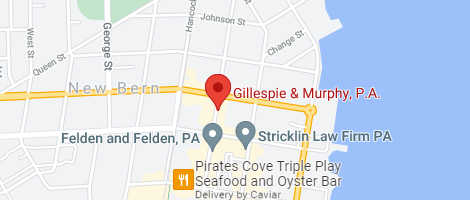
 320 Middle St
 252-659-5045